
Wendy Campana, Ph.D.
Principal Investigator
Professor and Chair of Cell Biology and Human Anatomy
Dr. Campana earned a B.S. from the University of California, Berkeley and a Ph.D. from The Pennsylvania State University. She was an NIH Training Fellow under the supervision of Dr. John O'Brien in the Department of Neurosciences prior to joining the faculty in the Department of Anesthesiology at UC San Diego. She served in the ladder rank professor series in Anesthesiology for over 20 years, while also serving as a Principal Investigator at the San Diego VA Health Care System. Dr. Campana's research focuses on the response to nerve injury and the molecular and cellular mechanisms underlying transitions from acute to chronic pain. Specifically, she is an expert in peripheral glia, Schwann cells, and how these non-neuronal cells contribute to the development and maintenance of neuropathic pain. Her foundational work established a role for Schwann cells in peripheral sensitization/repair and neuropathic pain. Her lab pioneered the discovery of several anti-inflammatory receptors (erythropoietin receptor; EpoR, and the low-density lipoprotein receptor related protein, LRP1) that are activated after nerve injury and modulate painful peripheral neuropathy.
Dr. Campana has authored over 75 peer-reviewed publications in peripheral nerve biology, spinal cord injury, Schwann cell physiology and neuropathic pain, and in high-ranking journals such as the Journal of Neuroscience, Journal of Clinical Investigation, and Brain, Behavior, and Immunity. Her work has been consistently extramurally funded throughout her career. Currently, she is funded by NIH, VA, and DoD grants. She has served as a chartered member of two National Institutes of Health (NIH) study sections consecutively for 10 years including K awards (NST-1) and translational neurobiology (NSD-C). Dr. Campana has several patents.
Dr. Campana left UC San Diego in 2025 after being recruited to UC Davis, where she now serves as Professor and Chair of Cell Biology and Human Anatomy. She continues to serve as a PI at the Northern California VA Health Care System. Outside of her lab, Dr. Campana enjoys yoga, horse riding (hunter jumpers), and cooking.

Andrew Hamilton, Ph.D.
Assistant Project Scientist
Dr. Andrew Hamilton received his Bachelor of Science in genetics from UC Davis in 2007, after which he worked on fruit fly genetics with Dr. Artyom Kopp for several years. During this time, several of the professors at UCD banded together to convince him that he should pursue a Ph.D., and in 2013 he received his doctorate in molecular biology for his work with Dr. Karen Zito at the UC Davis Center for Neuroscience, studying the role of the ubiquitin-proteasome system in regulating dendritic spine plasticity. Interested in moving his neurobiology training closer to direct therapeutic applications, he did a postdoc and stayed on as a project scientist in Dr. Laura Borodinsky's lab, discovering new, non-canonical Hedgehog signaling partners that regulate regeneration of the spinal cord and muscle in the African clawed frog. He hopes to continue his pursuit of new avenues in regenerative medicine through LRP1 in the Campana lab. When not found in the lab, trust me, you will not find him unless he knows you're looking, because he's either running, hiking, or backpacking far from the nearest human civilization.
 Rachel Howard-Till, Ph.D.
Specialist
Rachel Howard-Till received her Ph.D. in Molecular and Cellular Biology from the University of Washington. Her Ph.D. research was performed in the Yao lab at the Fred Hutchinson Cancer Research Center, Basic Sciences Division, in Seattle, WA. During her Ph.D., she studied DNA rearrangement in the ciliate model system Tetrahymena thermophila and developed a method for performing RNAi in Tetrahymena, which also resulted in the characterization of the small RNA pathway responsible for gene knockdown. After receiving her Ph.D., Rachel went on to join the laboratory of Dr. Josef Loidl at the Max Perutz Laboratories of the University of Vienna in Austria. There she continued to study chromosome biology in Tetrahymena, focusing on meiotic recombination and the roles of SMC complexes in chromosome segregation.
From Vienna, she made a brief foray into plant biology during a short stint in Temuco, Chile, before returning to the US to join the lab of Dr. Mark Winey at UC Davis. During her time in the Winey lab as a project scientist, she studied the structure and function of microtubule inner proteins (MIPs) of ciliary axonemes in Tetrahymena. Rachel brings more than two decades of experience in molecular and cellular biology to the Campana lab and is excited to apply her knowledge to the field of neuropathic pain research.

Pedro Santana Lauria, Ph.D.
Post-Doctoral Fellow
Dr. Pedro Lauria obtained his doctoral degree from the Federal University of Bahia (Brazil), where he contributed to multiple research projects investigating venoms and toxins that modulate pain, natural products with analgesic potential, and non-pharmacological strategies for managing chronic pain. This work sparked his long-term interest in the biological mechanisms underlying neuropathic pain and the search for innovative therapeutic approaches. In March 2025, he joined the Campana lab to study the role of Schwann cells in the development and maintenance of neuropathic pain. His current research integrates single-cell RNA sequencing with a mouse model of oral cancer to dissect the glial-neuro-immune signaling networks that drive both cancer-related pain and chemotherapy-induced peripheral neuropathy. By characterizing Schwann cell phenotypes and receptor-mediated pathways - particularly those involving LRP1 - he aims to advance our understanding of peripheral nerve biology and identify novel therapeutic targets for neuropathic pain. Outside the lab, he enjoys taking long walks, hunting for hidden gems in thrift stores, and watching horror movies.
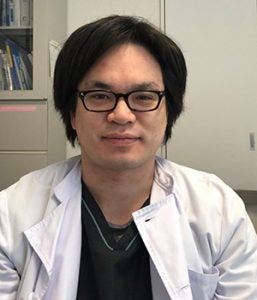
Takuma Otagiri, M.D., Ph.D.
Visiting Scholar
Dr. Takuma Otagiri graduated from Chiba University School of Medicine in Japan and obtained his medical degree. He later earned his doctoral degree in Medical Science at Chiba University, where his research focused on platelet-rich plasma (PRP) and spinal bone fusion. After completing his doctoral training, he specialized in spine surgery and treated a wide range of spinal disorders and traumatic spinal cord injuries as an orthopaedic spine surgeon.
Dr. Otagiri is currently a visiting scholar in the Campana lab, where his research focuses on extracellular vesicles derived from the infraorbital nerve and their potential roles in peripheral neuropathy and pain mechanisms. His long-term goal is to integrate clinical orthopaedics with molecular and cellular neuroscience to contribute to the development of novel therapeutic strategies for nerve injury and neuropathic pain. Outside the laboratory, he enjoys traveling with his family and spending quality time with his children.

Khalida Sabeur Naceur, Ph.D.
Research Scientist
Dr. Khalida Sabeur Naceur earned her Ph.D. in Endocrinology from the University of California, Davis, and later served as a Research Scientist at the Center of Regeneration Medicine and Stem Cell Research at UCSF. In the laboratory of Dr. David Rowitch, her work focused on glial biology and central nervous system myelination, investigating oligodendrocyte development, myelin regulation, and neurodevelopmental disorders including Pelizaeus–Merzbacher disease models. Her research integrated stem cell biology and translational neuroscience to better understand mechanisms of myelin formation and repair.
She also directed the Cryopreservation Core at UCSF, overseeing biobanking operations, regulatory compliance, and advanced cryobiology platforms supporting multidisciplinary research.
As a Fulbright Specialist Consultant at IAV Hassan II in Rabat, she provided strategic guidance on research development and institutional capacity building. Her current interests focus on extracellular vesicles and exosomes as regulators of intercellular communication in aging, neuroregeneration, and immune modulation.
Outside the lab, she enjoys reading, biking, hiking, exploring nature, and video editing.
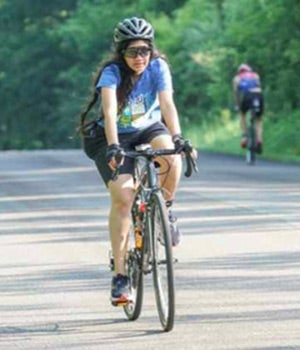
Agamjot Sangotra, Ph.D.
Post-Doctoral Fellow
“Aggie” obtained her doctoral degree in Molecular and Cellular Pathology from the University of Michigan, where she studied therapeutic strategies for Kennedy’s disease, a rare neuromuscular neurodegenerative disorder. She joined the Campana lab in 2026 to continue her training as a postdoctoral fellow and is particularly interested in studying the inter and intracellular signaling processes that regulate Schwann cell behavior following peripheral nerve injury as modulated by LRP1. In her free time, she enjoys trying new cafes, reading in the company of her cat Smokey, and biking around Davis.

Miles Vecchitto, B.S.
Staff Scientist
Miles obtained his bachelor’s degree from the University of California San Diego in Molecular and Cellular Biology. He graduated with distinction. He joined the Campana lab in 2023. Miles spearheads the project on extracellular vesicles (EVs). He has contributed to this project by devising a technique to isolate EVs directly from nerve tissues, shedding light on the complex populations of nanoparticles in the extracellular fluid of the sciatic nerve. His goal is to characterize the peripheral nerve derived EV subpopulations, determine signaling capabilities of the EVs, and identify what role Schwann cell EVs play in neuropathic pain.
When not in the lab, you can find Miles enjoying a hike through the hills and mountains, surfing on the beautiful California coast, or creating culinary masterpieces in the kitchen.